
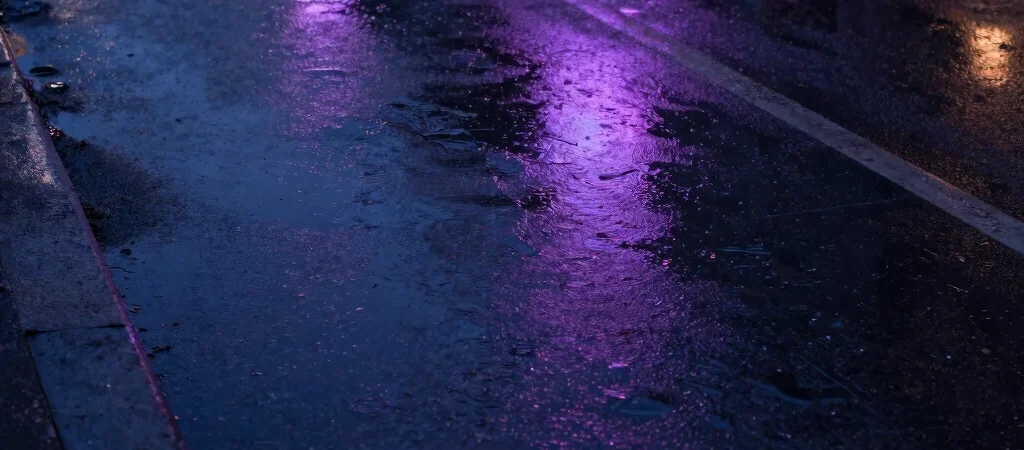
Cyberpunk has long been defined by its high-contrast visual clash of high technology and low life, yet the most resonant recent titles pivot toward quiet interior spaces. Rather than relying solely on kinetic spectacle, directors are using claustrophobic cityscapes to reflect the psychological fragmentation of their protagonists. The city is no longer merely a backdrop; it is an active emotional antagonist that dictates how characters move and grieve.
Urban Density as Narrative Isolation
Consider how framing emphasizes physical proximity while deepening emotional distance in dense metropolitan scenes. Cramped residential towers and rain-slicked alleyways compress character interactions, creating an illusion of intimacy that quickly dissolves into alienation. The contrast between towering vertical architecture and fleeting personal moments creates a tangible weight, grounding speculative fiction in felt reality.
The Quiet Craft of Atmosphere
Sound design and color palettes carry equal burden in building this subtle dread. Soft ambient synth swells, damp acoustic echoes, and moody violet hues signal moments of contemplation where dialogue steps aside. When examining physical physical media or imported physical art books from these series, one discovers meticulously painted background art that rivals traditional fine art in tone and texture.
Redefining the Genre Canon
By shifting focus from mechanical power to human fragility, modern directors elevate the genre into serious cultural critique. Readers seeking to explore these foundational works will find curated home video releases that preserve these subtle audio mix details and original color grading. As the medium evolves, this introspective lens remains cyberpunk's most vital contribution to contemporary animation.